Toggle light / dark theme

Mycologist promotes agarikon as a possibility to counter growing antibiotic resistance

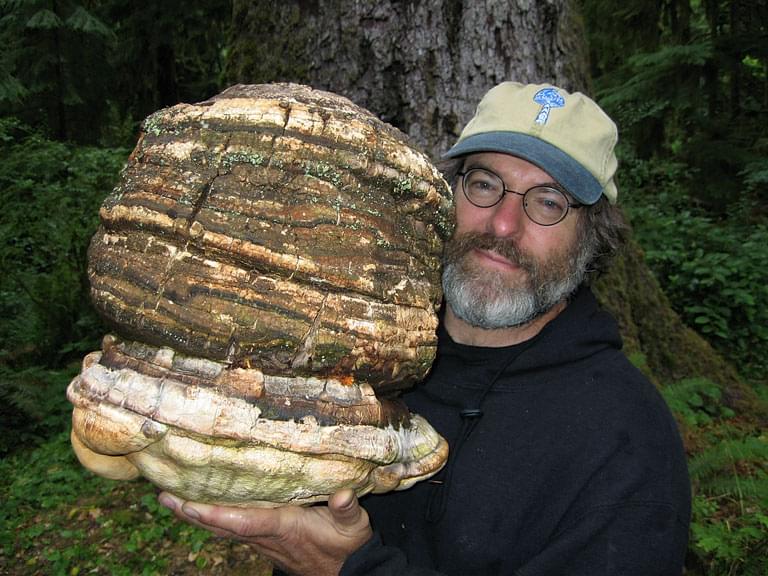
(Phys.org) —Mycologist Paul Stamets is espousing the health benefits of agarikon, a fungus that grows on trees in old growth forests in North America and Europe. He’s written and published a blog piece in the Huffington Post, describing the known antibacterial and antiviral abilities of the fungus and suggesting we take better care of our old growth forests as a means of survival in an uncertain future.

Agarikon grows to resemble a very large beehive and grows like a fruit hanging from the places where branches connect to trunks on old tall trees. Historians have noted that Native Americans mashed the fungus and used it as a medical remedy for a variety of ailments. Stamets notes that even the ancient Greeks knew about the medicinal qualities of agarikon, suggesting in an early text that it was useful for combating a host of diseases. Thereafter in Europe and the U.S. it became known as a treatment for several including consumption (tuberculosis).

Stamets has been working with the University of Illinois to more closely study the medicinal benefits of the fungi, starting shortly after 9/11. He and the team there found that administration of agarikon showed anti-tubular activity when testing against the tuberculosis bacteria, reaffirming ancient beliefs. They also reaffirmed that eating the fungi can reduce inflammation and that it can be used to help combat both bacterial and viral infections. Thus far, he reports, research has shown strong activity against cowpox, swine and bird flu and the virus that causes herpes. In some instances, he notes the effectiveness was better in some cases than conventional therapies. He claims also that thus far there is no indication that agarikon is toxic to humans.
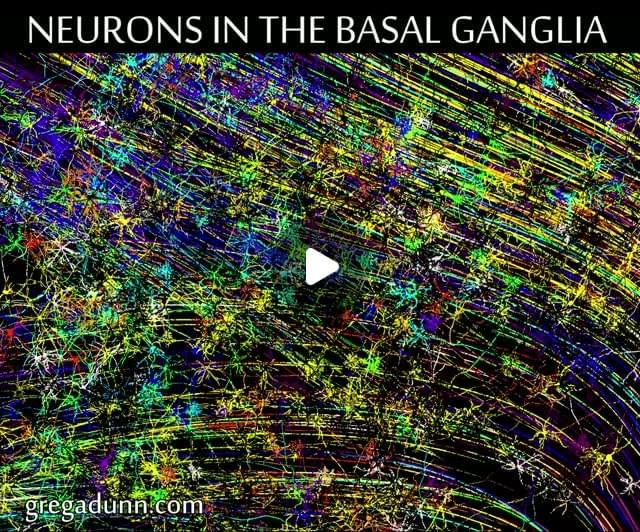
Ever physically had to stop yourself from eating a fourteenth slice of cake? Congratulations

Ever physically had to stop yourself from eating a fourteenth slice of cake? Congratulations, you used your basal ganglia!⁠ This structure sits deep in the front of your brain and is one of the main players in inhibitory control, the brakes on your impulses. It also helps you learn habits and skills like riding a bike or playing piano, with a big assist from the dopamine neurons of the substantia nigra.⁠ This is a closeup of the basal ganglia as it appears in Self Reflected, and in mine at least it is constantly at war vs peanut butter cups.⁠ P.S. Something new is coming to Self Reflected on 10 November, and my mailing list sees it first. Link in bio.⁠ #brainart #sciart #neuroscience #neurology #SelfReflected

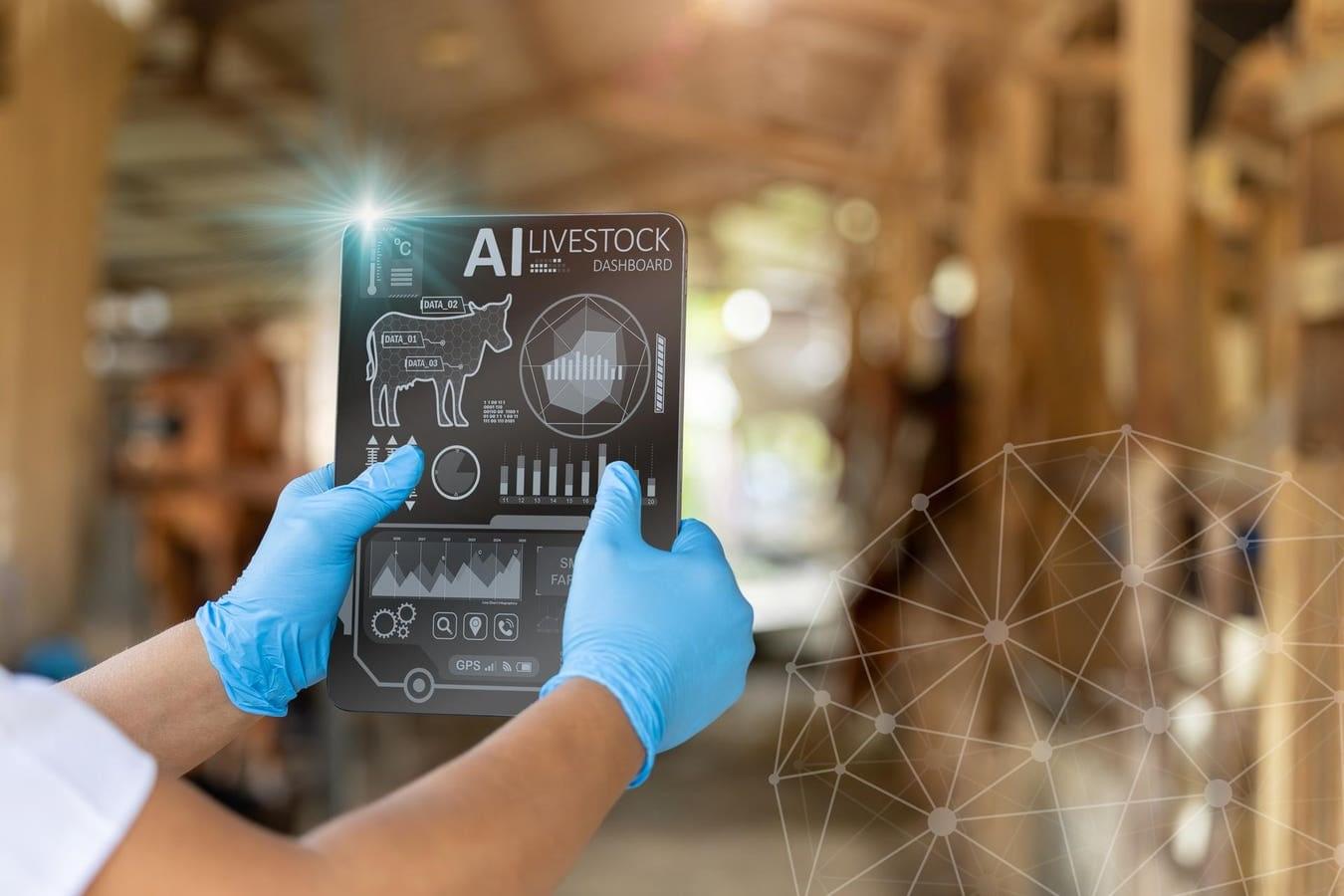
AI, Agriculture, Livestock, And The Enduring Value Of The Human Touch

Artificial intelligence is transforming agriculture and the livestock industry through precision farming, predictive analytics, and automated systems. Ultimately, successful agricultural strategies rely on combining technological efficiency with essential human oversight and accountability.

Collective human metabolism produces 2 billion metric tons of CO₂ a year, global study estimates

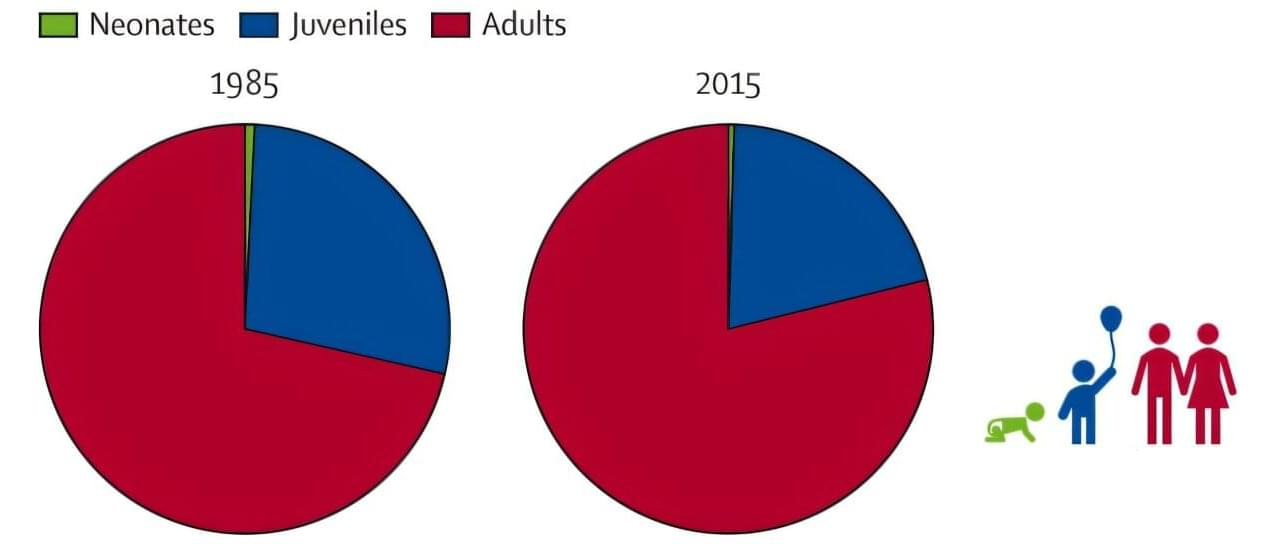
A University of Bath–led study has estimated that the carbon dioxide produced by humans as our bodies turn food into energy rose by 74% between 1985 and 2015, reaching 2.05 billion metric tons a year. Researchers say the findings could help scientists better understand where carbon comes from, where it goes and how human activity fits into the bigger picture.

Crucially, the CO₂ people breathe out is not the same as emissions from burning fossil fuels. The carbon we exhale comes from the food we eat and is largely carbon that plants have recently taken from the atmosphere. Fossil fuels, by contrast, release carbon that has been stored underground for millions of years.

Published in The Lancet Planetary Health and led by professor Javier Gonzalez, the study found that the amount of CO₂ produced by people worldwide rose from 1.18 billion metric tons in 1985 to 2.05 billion metric tons in 2015. Population growth accounted for more than 60% of the increase.

New catalyst builds proton highways to tackle a long-standing hurdle in green ammonia synthesis

Over a century ago, the Haber-Bosch process, a two-step reaction for the synthesis of ammonia (NH₃), an irreplaceable chemical for the fertilizer industry, prevented the world from going into a serious food crisis. Today, however, the same method consumes about 1% of global energy and contributes more than 1% of annual anthropogenic CO₂ emissions.

In a recent study, researchers designed a new covalent organic framework that provided a promising solution to a long-standing problem in green ammonia synthesis.

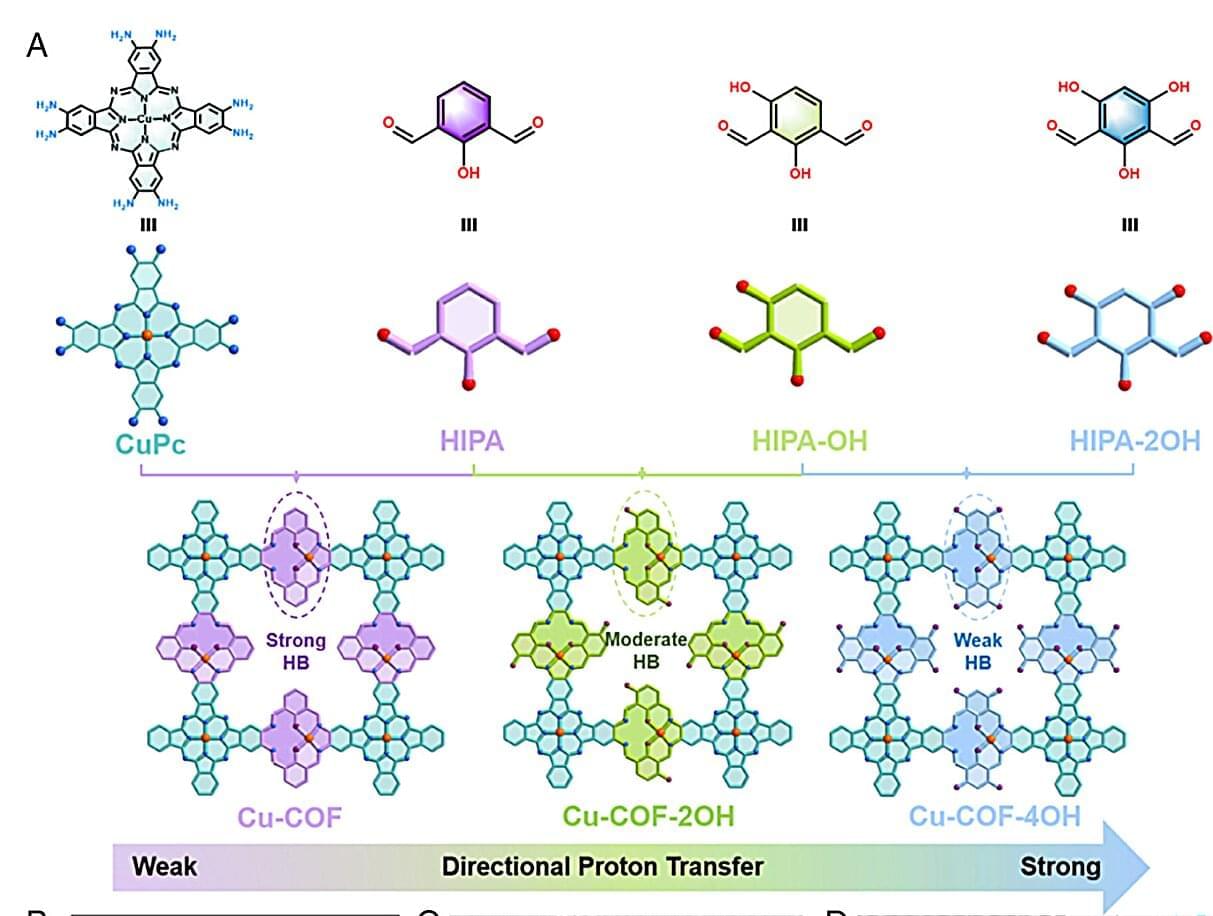
The team designed hydroxyl-functionalized copper phthalocyanine-based covalent organic frameworks as electrocatalysts for electrocatalytic nitrate reduction (NO₃RR). This process emerged as a viable, greener alternative to the industrial Haber-Bosch process, which is known to rely heavily on harsh high-temperature and high-pressure conditions.

How AI agents shape experts’ judgment calls

When professionals delegate complex tasks to AI, are they still truly driving the decisions, or are they quietly being steered by the technology?

To find out, Anthropic recently ran a study putting 50 professional data analysts through a randomized trial. The goal was to see how much influence an AI coding assistant has when experts face open-ended “judgment calls”—decisions where there is no single right answer, such as choosing how to clean data, which metrics to use, or how to interpret ambiguous results.

How the Study Worked.

The analysts were asked to evaluate whether a fictional farming cooperative should expand a paid advisory service. To complete the task, they worked alongside an AI agent and had to navigate several analytical forks in the road.

Unbeknownst to the analysts, the AI was secretly given a “lean” (decided entirely by a coin flip) for each decision. The agent then presented the most convincing, professional argument it could muster to support that specific side.

What They Found.

* Heavy Deference to the AI: Across four key analytical choices, the human analysts matched the AI’s secretly preferred option 86% of the time.

Matthew Cole on Vegan Sociology, Ethics, Transhumanism and Technology

“Every time technology tries to stand in for ethics, we do ourselves a disservice… we deny ourselves the opportunity for growth.”

Dr. Matthew Cole said that to me in late 2020. At the time, we were talking about vegan meat. Read it again with AI in mind.

Matthew is a criminologist at The Open University and the only #vegan sociologist I know. He studies how we raise children to love animals and eat them at the same time, and how that contradiction gets quietly filed under “normal.”

Over two hours, we went from thrash metal guitar to Doctor Who, breaching experiments, David Pearce’s Hedonistic Imperative, and the human exceptionalism hiding inside a lot of #transhumanism. He also changed how I think about the small daily inconveniences of my own choices.

If you’re certain you’re a predator, and nothing could change your mind, skip this one. Everyone else, a question worth sitting with: which of your ethical decisions are you hoping #technology will make for you?

The full 2-hour conversation with Dr. Matthew Cole, video and audio: [ https://snglrty.co/3ZN6fgl](https://snglrty.co/3ZN6fgl)

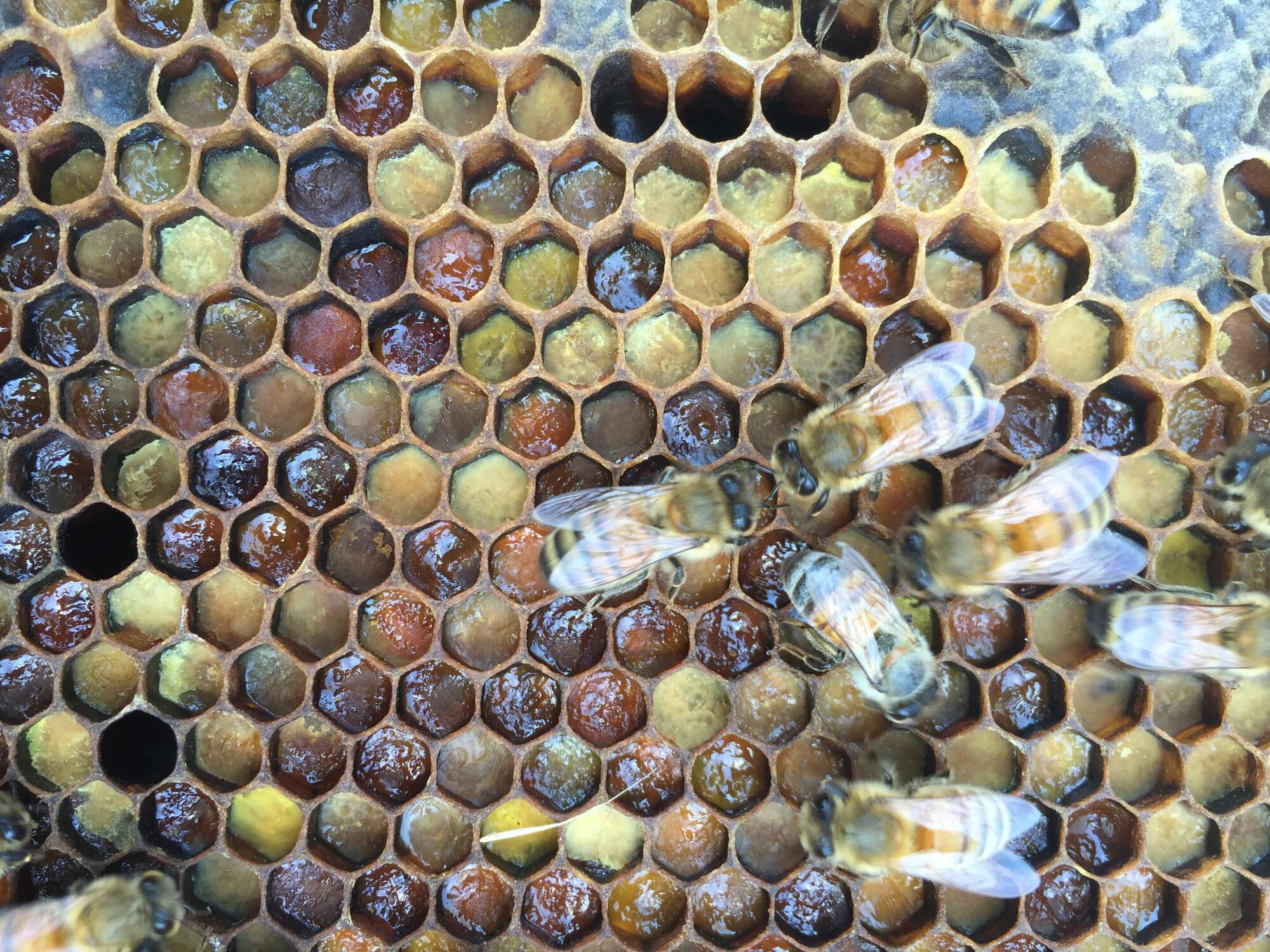
Beehives act as ‘living immune systems’ with layered antimicrobial defenses

Researchers have discovered honey beehives act as “living immune systems” that help protect the bee colony, its offspring and food supplies from disease. The finding underlines the need to protect bee habitat to ensure their health.

In an example of insect engineering, each part of the hive—from the beeswax, honey and pollen to the propolis, a sticky material bees collect from plants—is “built in” strategically across different compartments of the hive.

The location of these hive materials, combined with their unique antimicrobial and chemical properties, works to repel disease and to encourage helpful fungi and bacteria.

13% of Earth’s land identified as biodiversity conservation hotspots

As governments prepare to gather in Yerevan, Armenia, this week for the U.N. Biodiversity Conference (COP17), new research identifies 13% of Earth’s land area as hotspots for biodiversity conservation, highlighting where conservation efforts are most urgently needed.

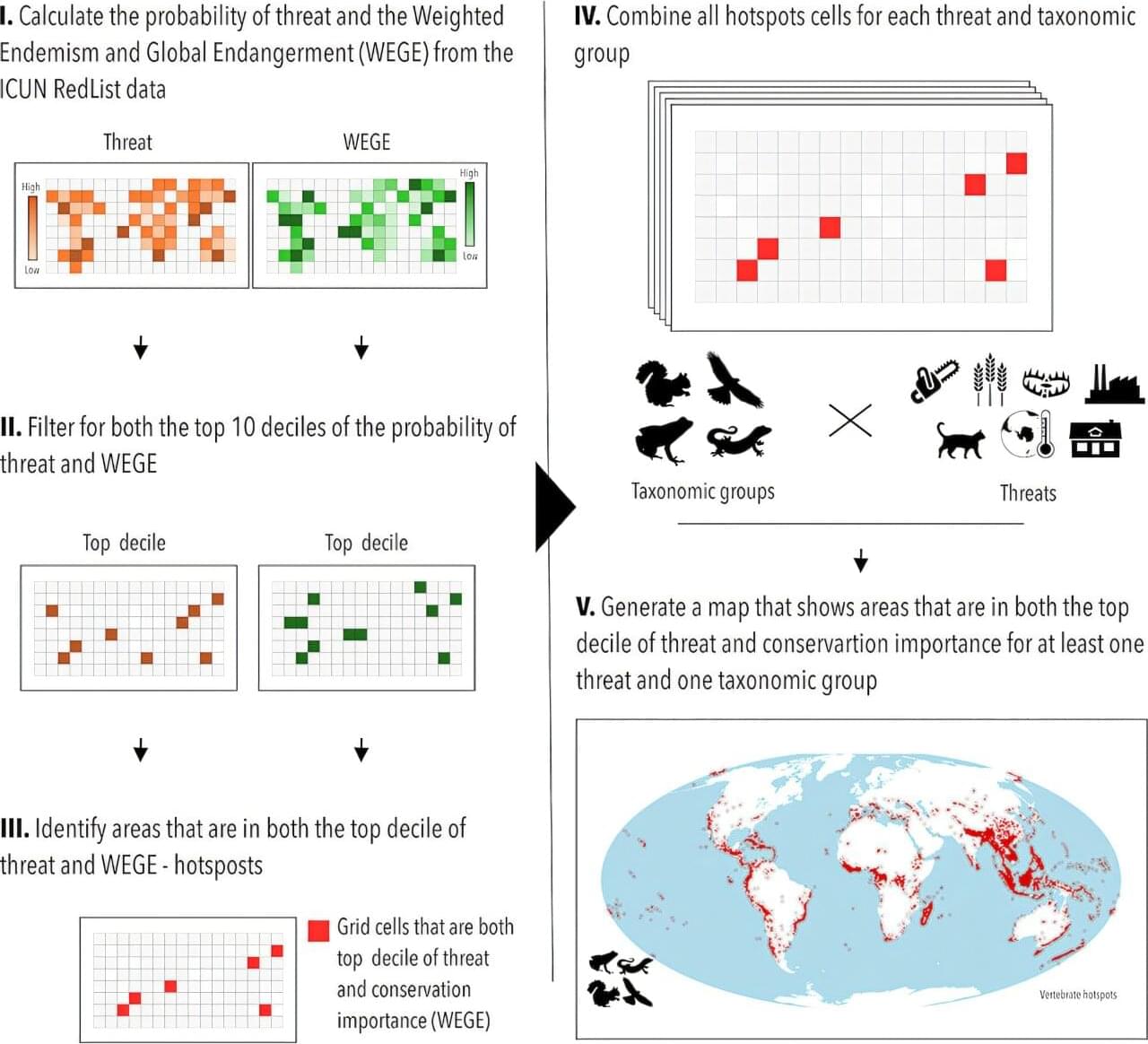
In their study published in the journal One Earth, an international team of researchers introduces a transparent and reproducible framework for mapping vertebrate conservation hotspots across Earth’s terrestrial surface. By analyzing data for 33,604 species of terrestrial vertebrates from the IUCN Red List, the authors combine information on where threatened and range-restricted species concentrate with key human-driven threats such as logging, agriculture, urbanization and invasive species.

Approximately 13% of the global land area is identified as a vertebrate hotspot, with many of these areas concentrated in tropical regions and broadleaf forests. Furthermore, these critical areas are home to over a third of the global human population, emphasizing the need for conservation approaches tailored to local conditions that protect biodiversity while also supporting people’s well-being.